20–30%Performance improvement with the right fan selection
The right fume hood for different needsEvery laboratory is different. The right choice delivers safety, efficiency and comfort.
Types of Fume Hoods
Choose the right model based on criteria such as application, chemical compatibility, worktop material, underbench storage and noise level.
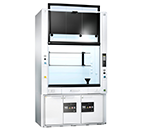
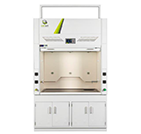
General-Purpose Fume Hood Köttermann
ApplicationGeneral chemical applications
CompatibilityAcids, bases, solvents and organic substances
WorktopEpoxy, ceramic or compact laminate
Noise45-52 dB(A)
Energy3 / 5
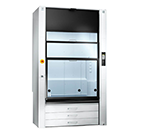
Distillation Fume Hood Köttermann
ApplicationDistillation and reflux applications
CompatibilityHigh temperatures, acids, bases and solvents
WorktopCeramic, epoxy or stainless steel
Noise48-54 dB(A)
Energy3 / 5
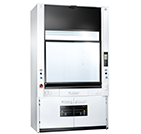
Walk-In Fume Hood Köttermann
ApplicationLarge equipment and pilot-scale work
CompatibilityLarge volumes and aggressive chemicals
WorktopCeramic, epoxy or stainless steel
Noise52-58 dB(A)
Energy2 / 5
High-Performance Fume Hood Köttermann
ApplicationSensitive and hazardous chemicals
CompatibilityVolatile, toxic and carcinogenic gases
WorktopCeramic, epoxy or stainless steel
Noise42-58 dB(A)
Energy4 / 5
Polypropylene Fume Hood TopAir
ApplicationAcidic and corrosive chemical applications
CompatibilityAcids, bases and corrosive chemicals
WorktopPolypropylene, ceramic or epoxy
Noise50-56 dB(A)
Energy3 / 5
Fan Selection: The Heart of Performance
Fume hood effectiveness is directly linked to correct fan selection and positioning. Locating the fan outdoors improves performance, supports energy efficiency and maximizes laboratory comfort.
Indoor Fan (Not Recommended)
High noise levels
Heat buildup in the laboratory
Power loss and reduced efficiency
Vibration and difficult maintenance
Unbalanced airflow
20–30% loss
Outdoor Fan (Recommended)
Low noise levels
Comfort in the laboratory
High efficiency and stable airflow
Easy maintenance and long service life
Energy savings
20–30% increase
Criteria for Choosing the Right Fume Hood
A comprehensive selection approach that considers safety, workplace comfort and operating costs together.
S
Quiet Operation
Low noise levels enhance user comfort during extended work periods.
A
Airflow Performance
Provides stable airflow compliant with EN 14175 and maximum operator safety.
D
Underbench Cabinet Options
Offers chemical-resistant options for storing acids, bases and solvents.
T
Worktop Surface Selection
Epoxy, ceramic, compact laminate and stainless steel surface options enhance chemical resistance.
E
Energy Efficiency
Optimizes energy consumption through variable air volume (VAV) control.
K
Ergonomics and Operation
Offers a motorized sash, digital display, service fittings and a user-friendly control panel.
Applications
Safe working environments for chemical, pharmaceutical, research, industrial R&D and university laboratories.

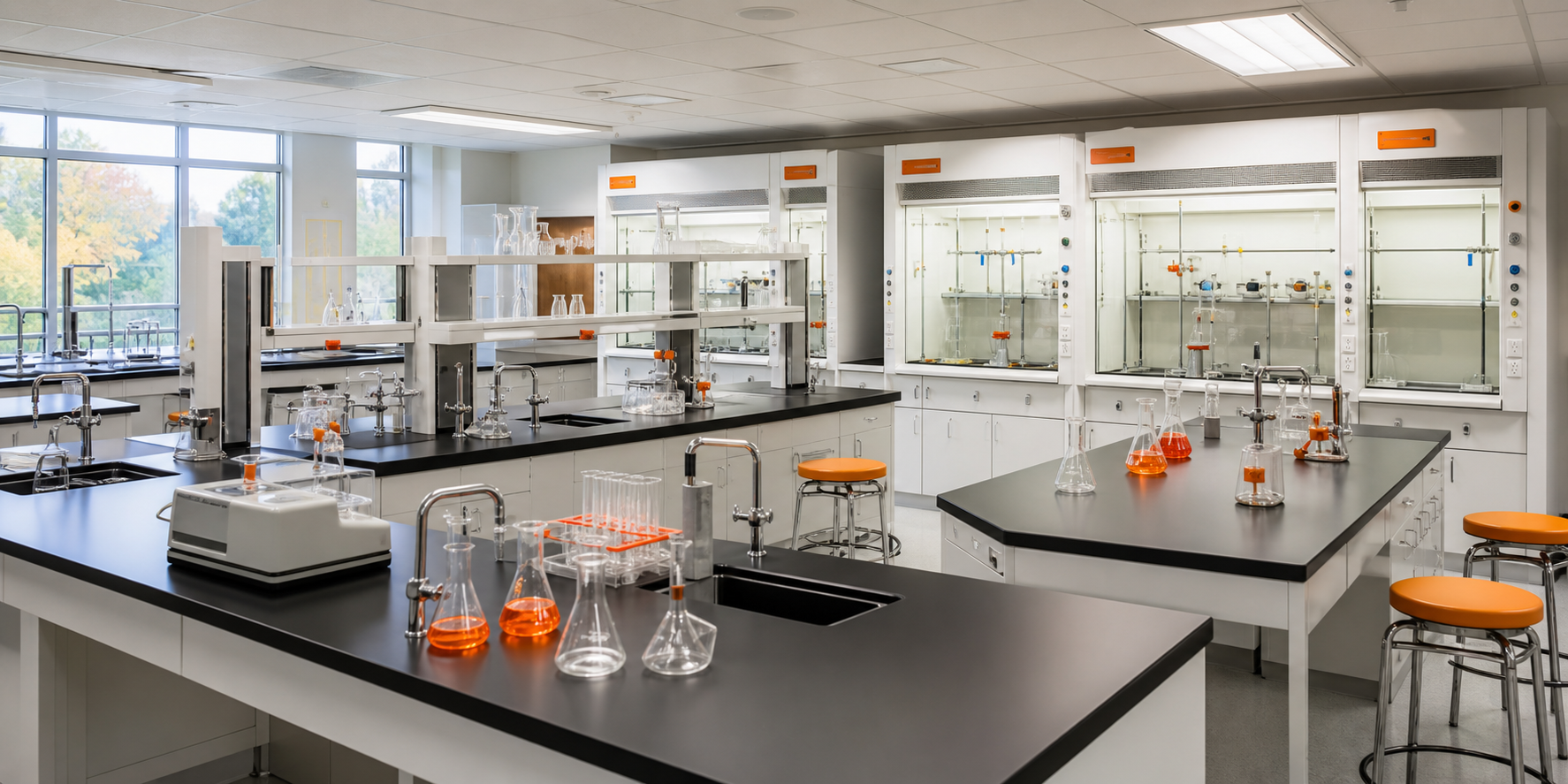

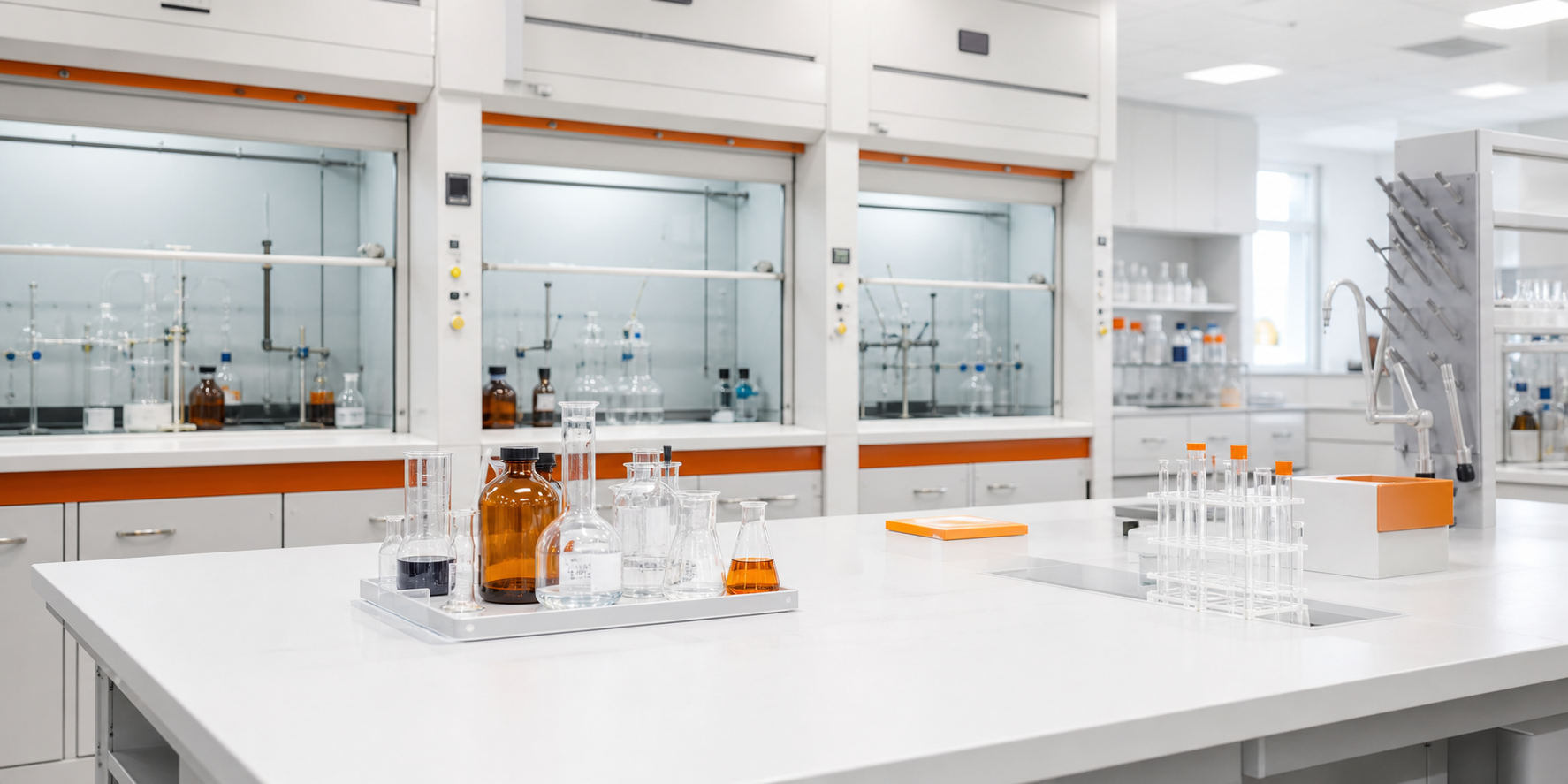 Chemistry Laboratories
 Pharmaceutical Laboratories
 Research Centres
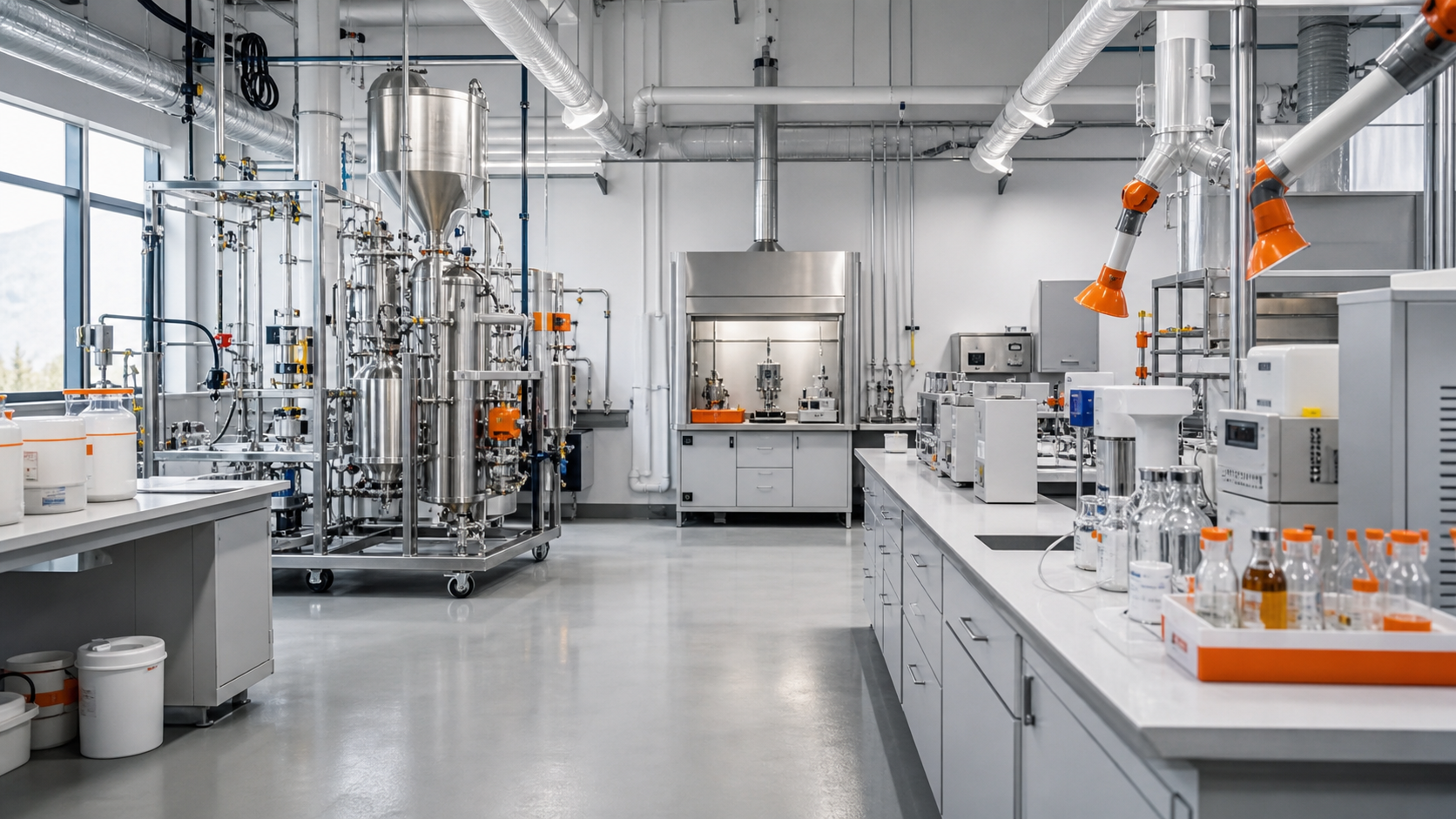 Industrial R&D