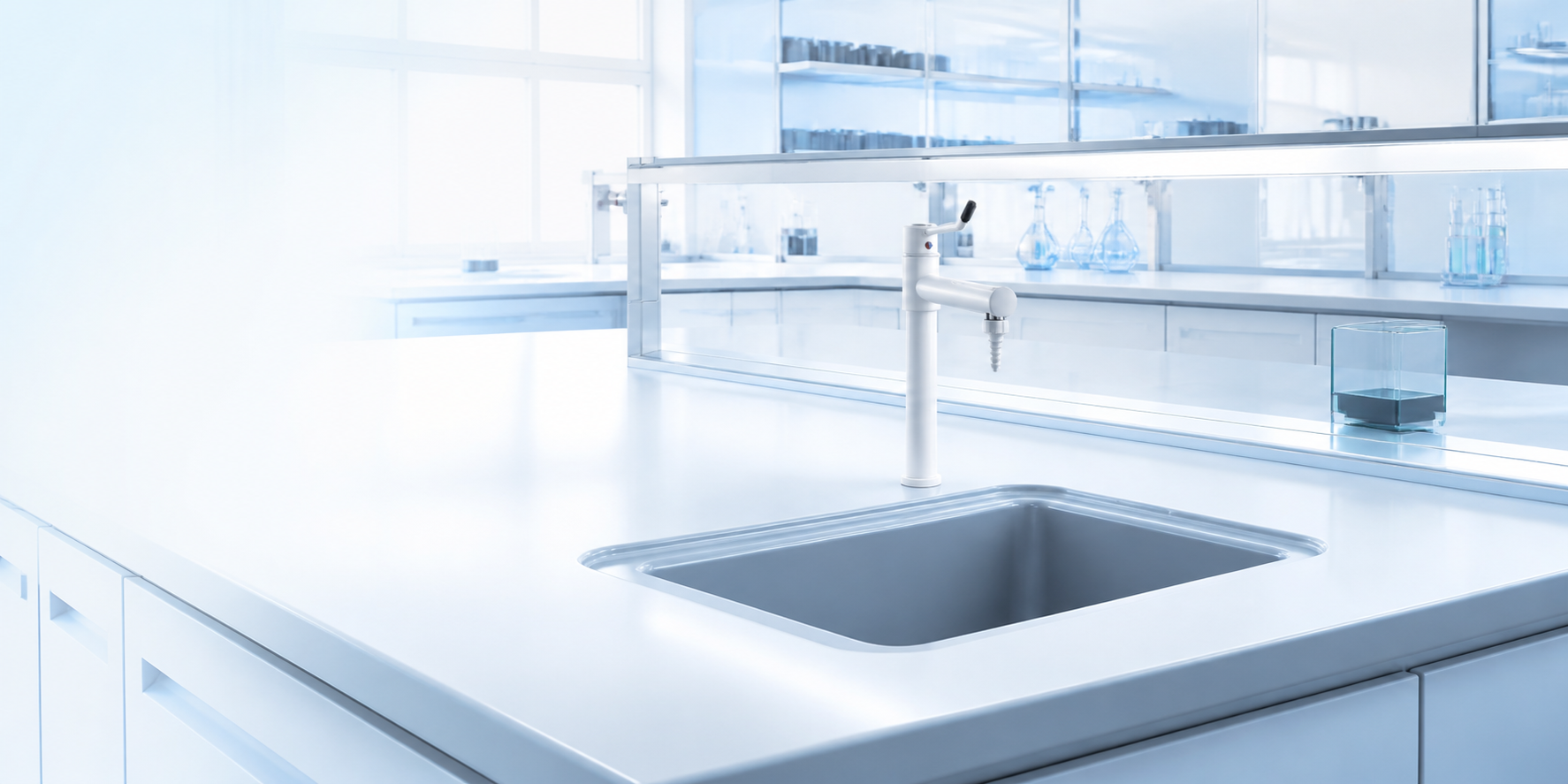
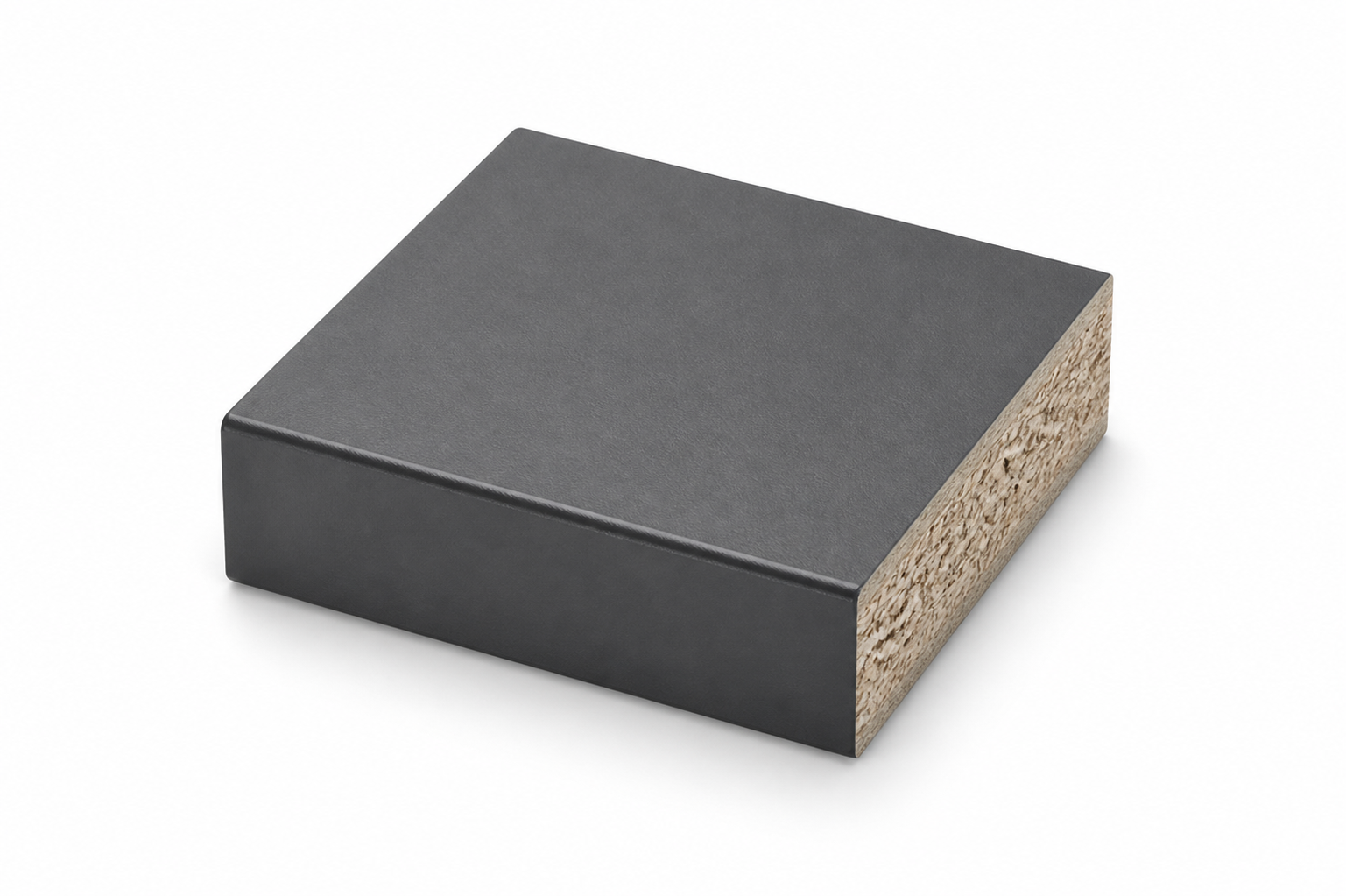
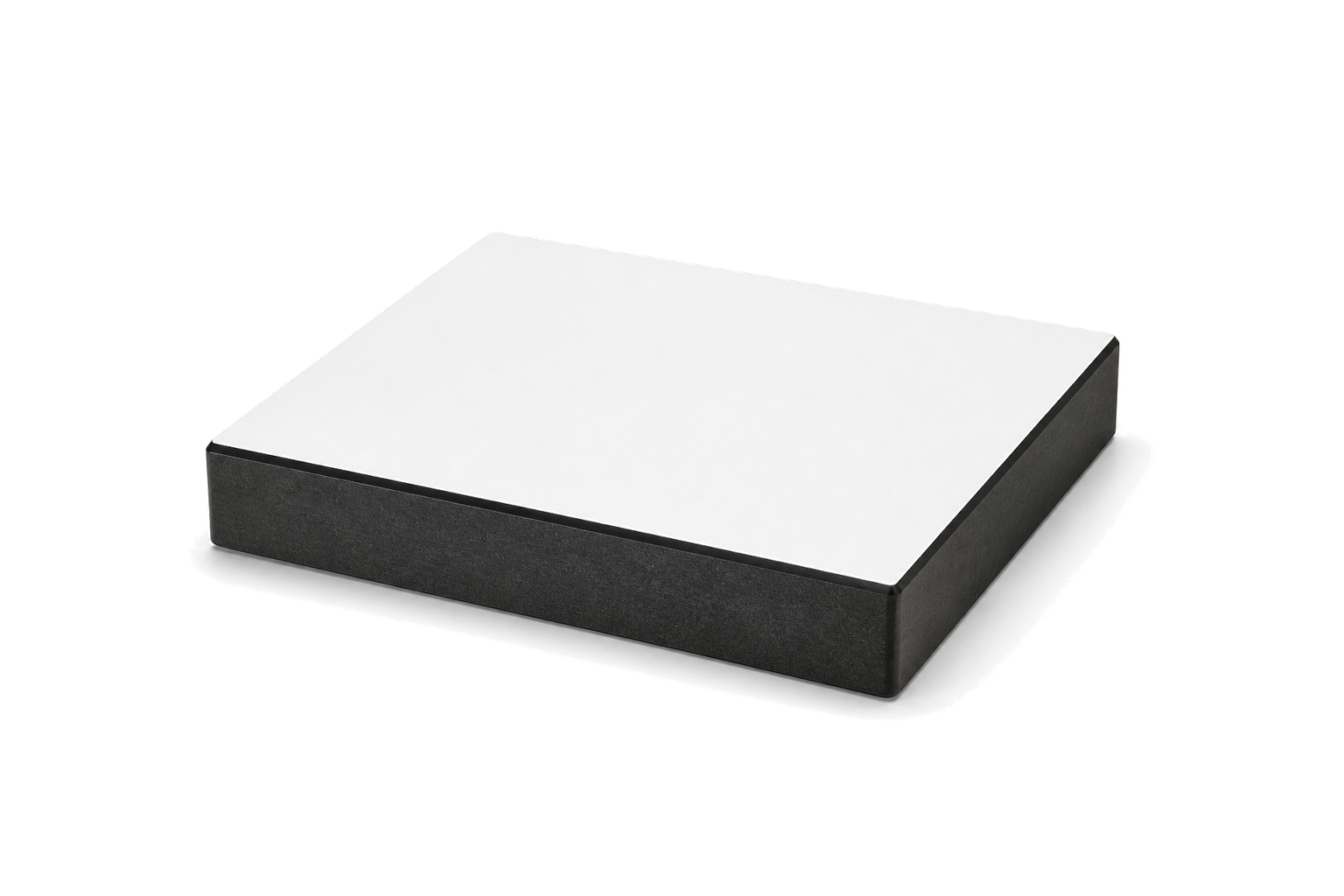
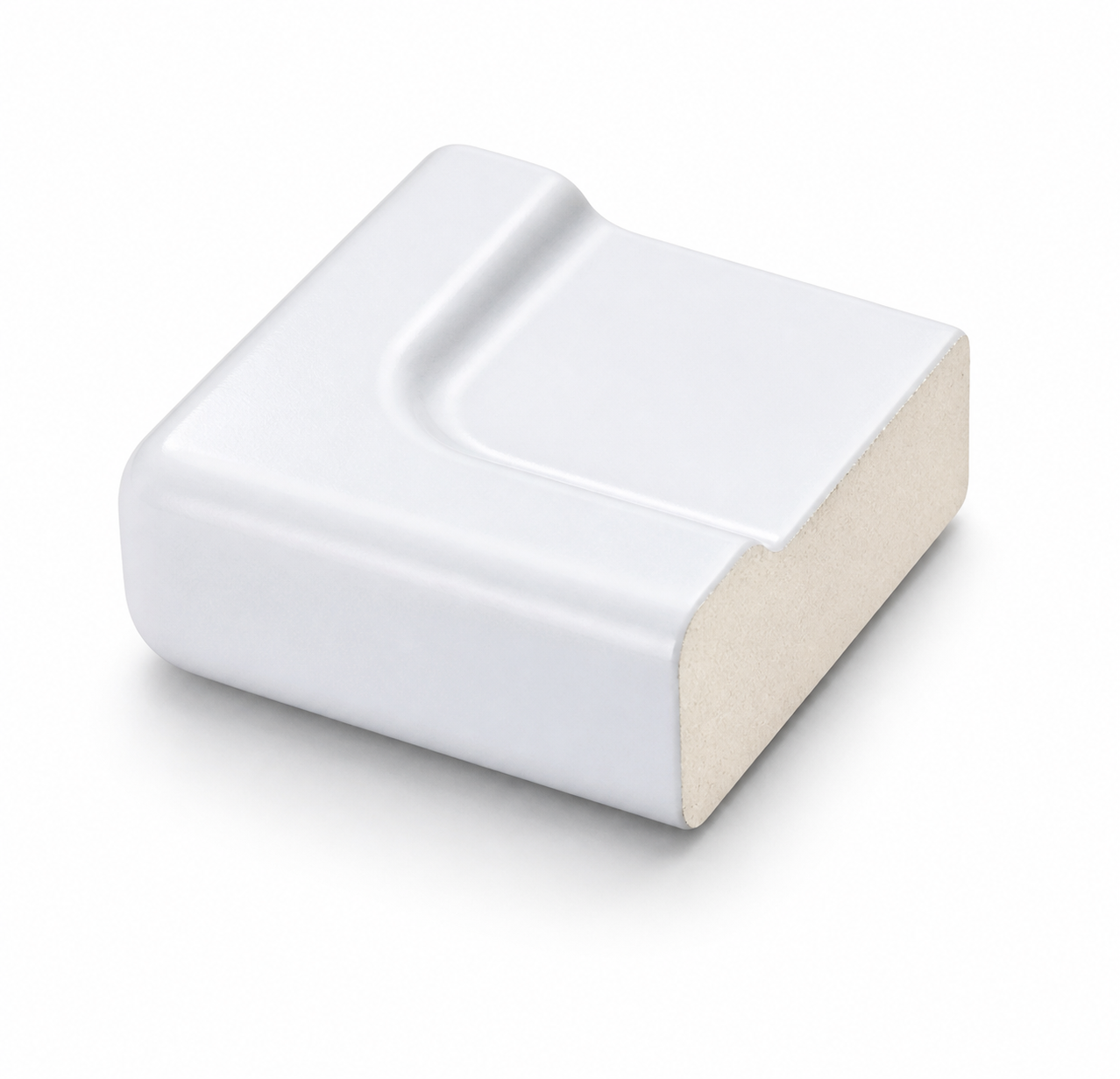
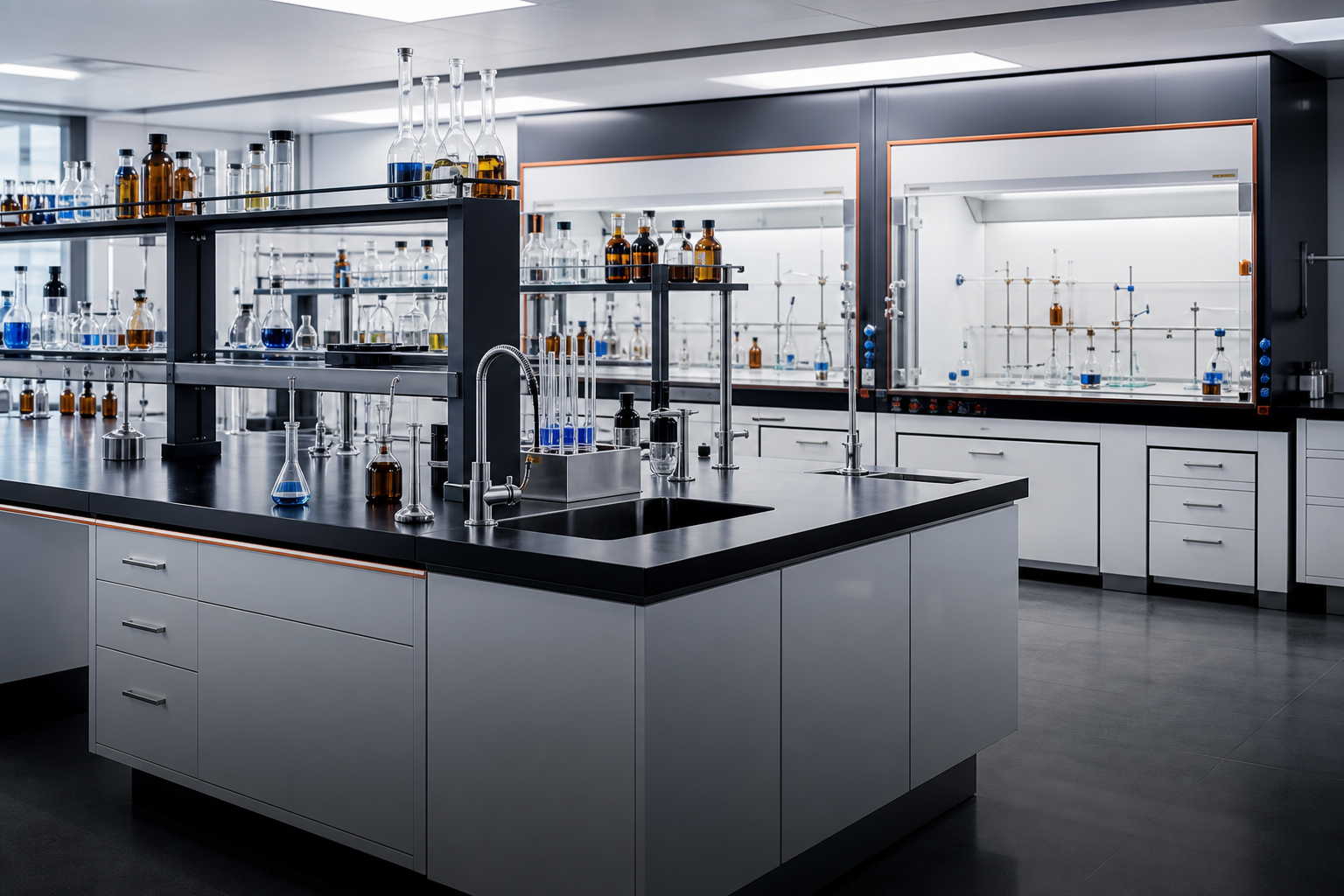
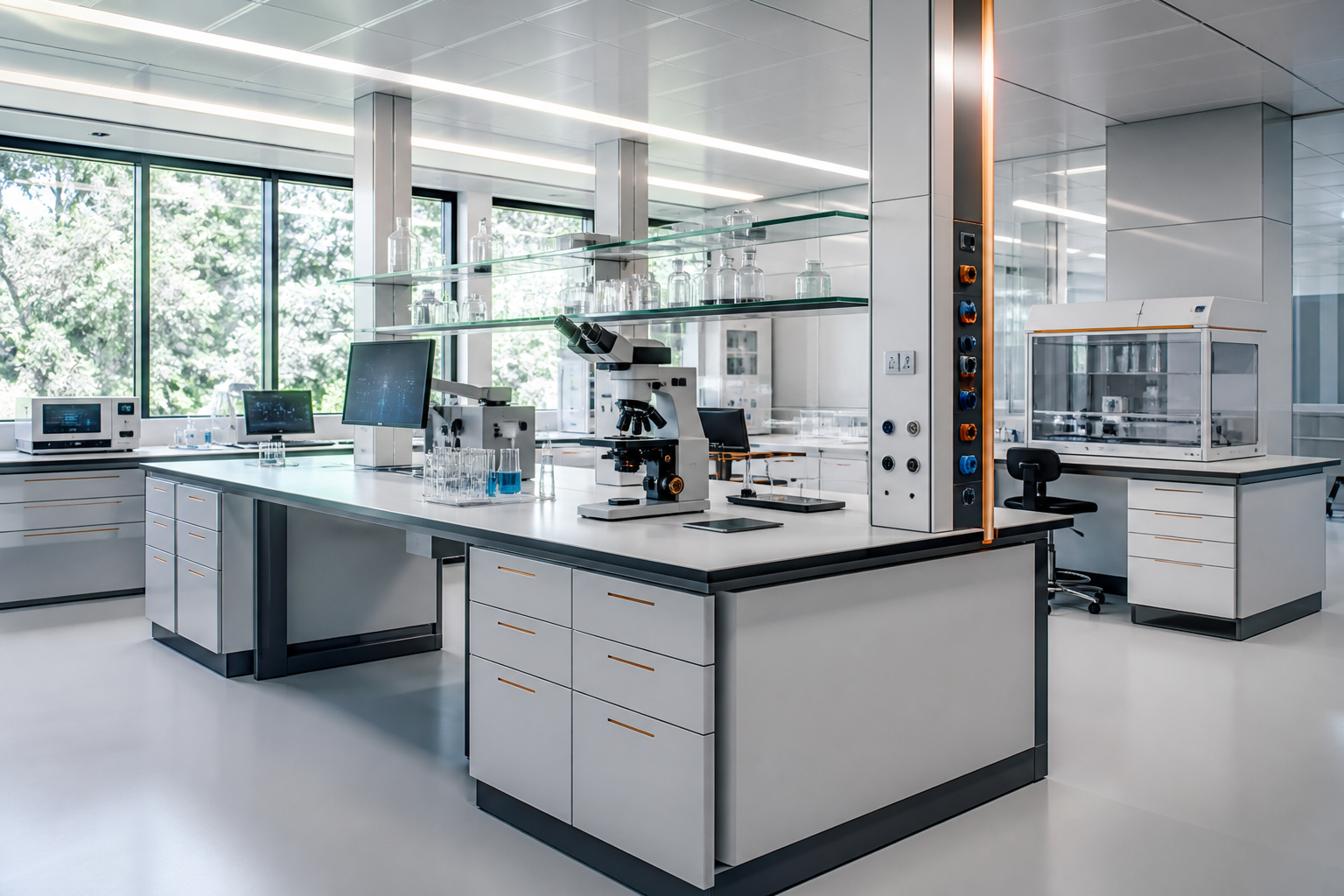
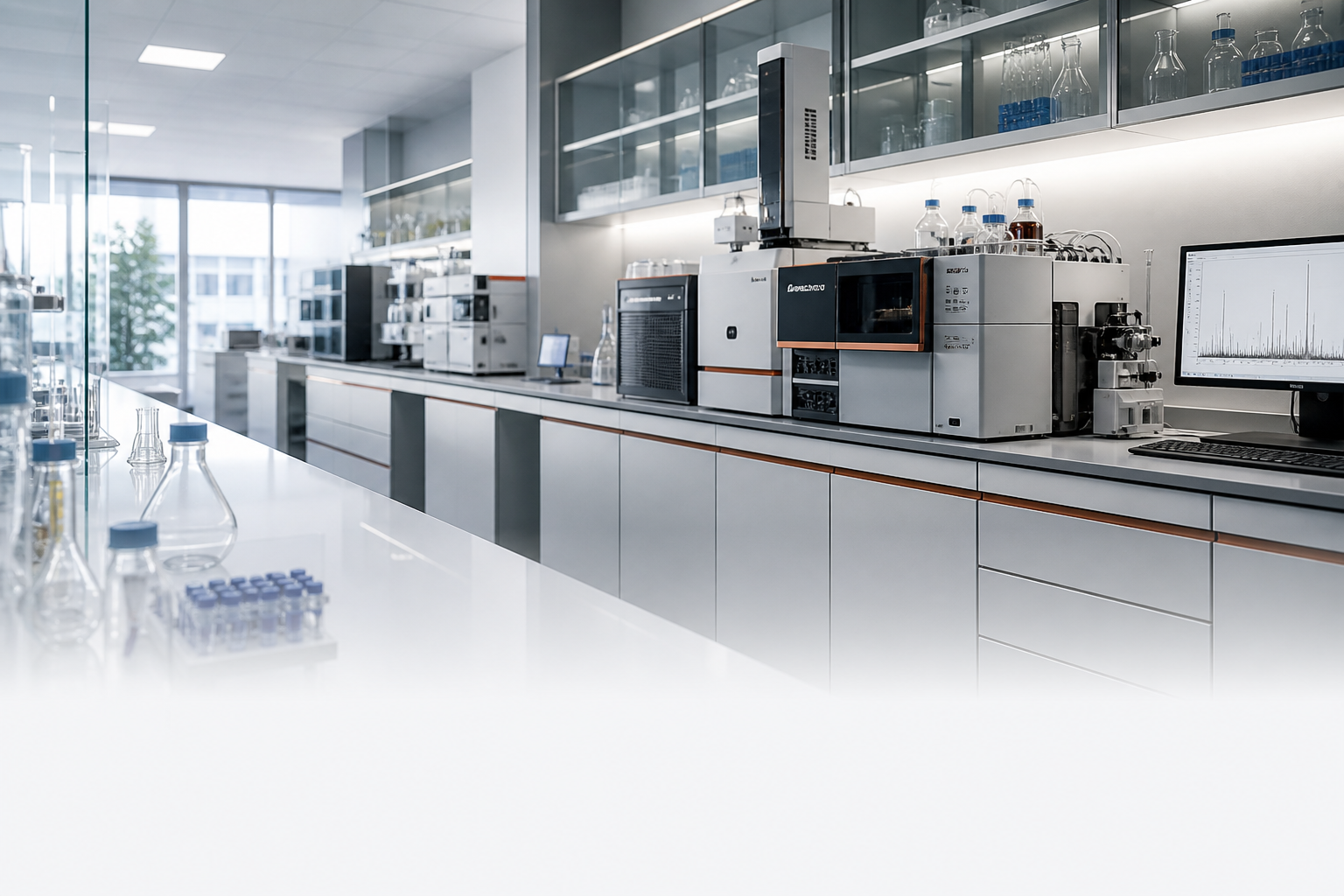
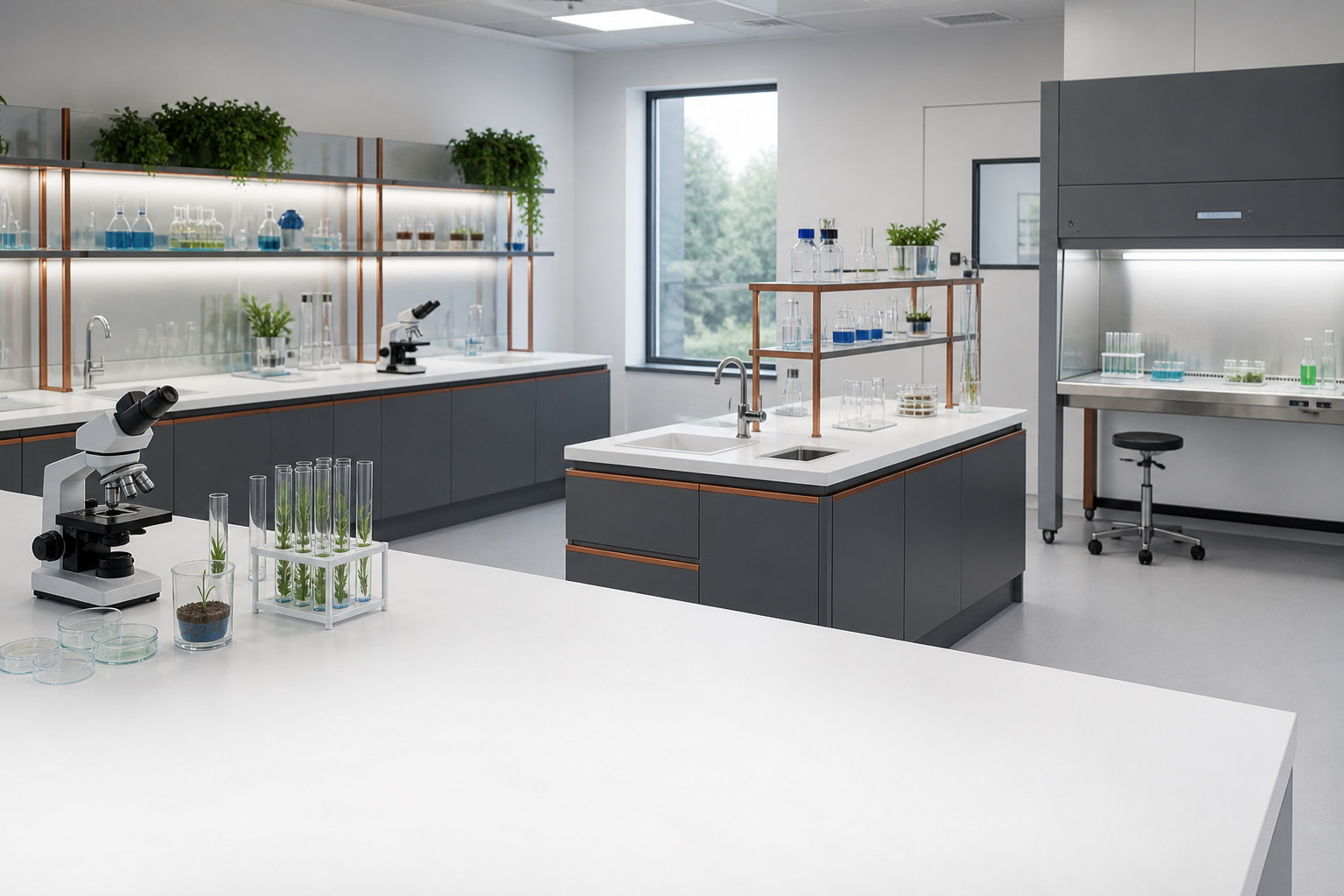
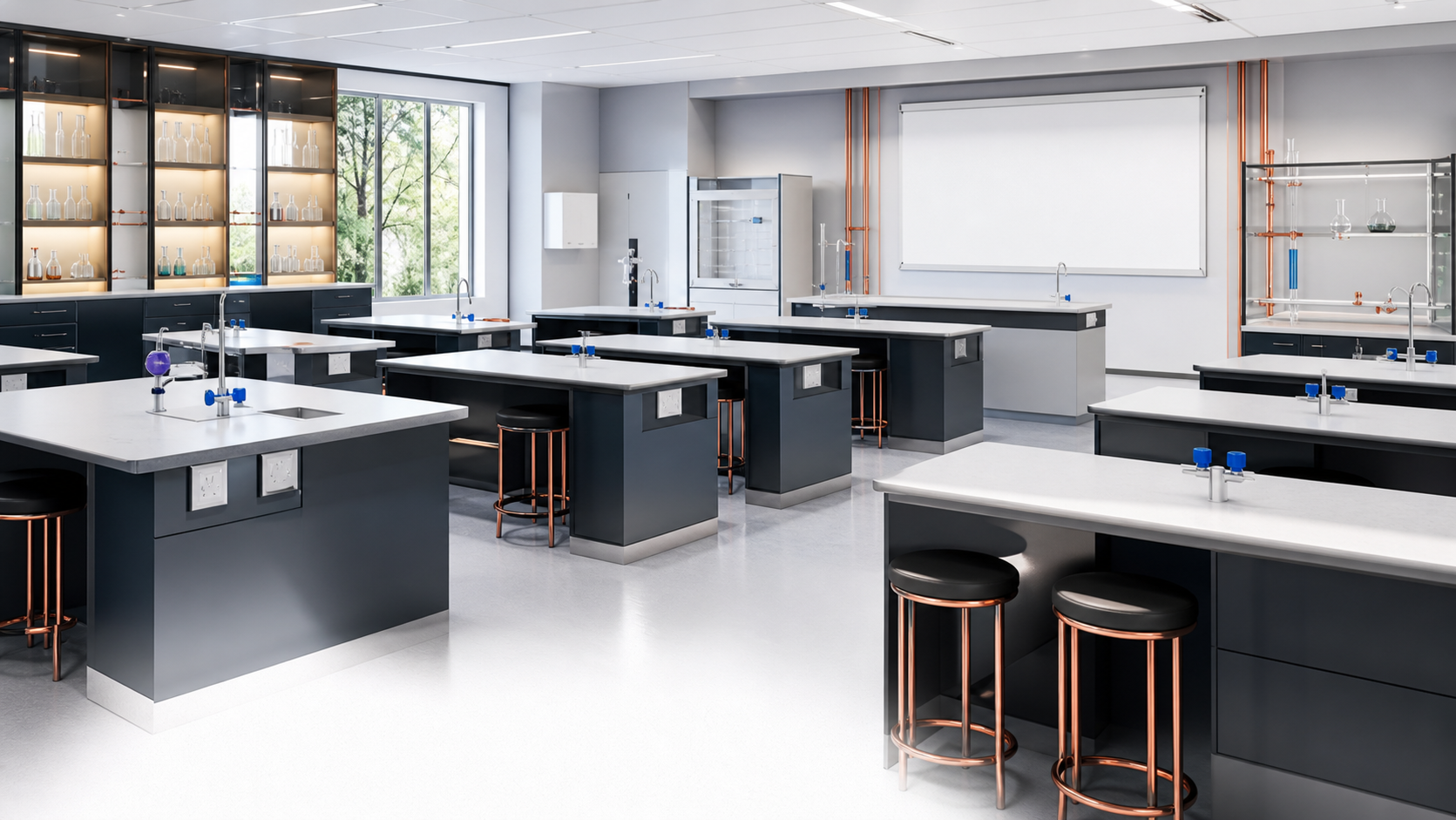
For a safe, hygienic and durable workspace, choosing a worktop surface is more than an aesthetic decision: it is a technical choice based on how the space will be used. Chemical resistance, mechanical strength and ease of maintenance must be considered together.
50-5000 m²Design and implementation at different scales
23+ yearsNovagent expertise in laboratory projects
The right worktop material for your application
Every laboratory is different. The right material selection directly affects project performance in terms of chemical resistance, durability, hygiene and service life.
Material Options
Each surface offers a different performance profile depending on the laboratory’s chemical exposure, hygiene standards and intensity of use.
Melamine
A practical, economical solution for routine use
Suitable for offices, teaching spaces and low-intensity laboratories
Easy-to-clean decorative surface
Various colour and texture options
Where does it excel?
Offers cost advantages in teaching, preparation and support areas with low chemical exposure.
Compact Laminate
High chemical resistance
Resistant to impact, wear and moisture
Hygienic, non-porous surface
Durable surface suitable for intensive use
Where does it excel?
Provides a strong balance of durability, hygiene and cost for general laboratory use.
Industrial Ceramic
High temperature resistance
High resistance to acids and corrosive chemicals
Superior scratch and wear resistance
Hygienic, easy-to-clean surface
Where does it excel?
Provides maximum confidence in processes involving heavy chemical exposure and high temperatures.
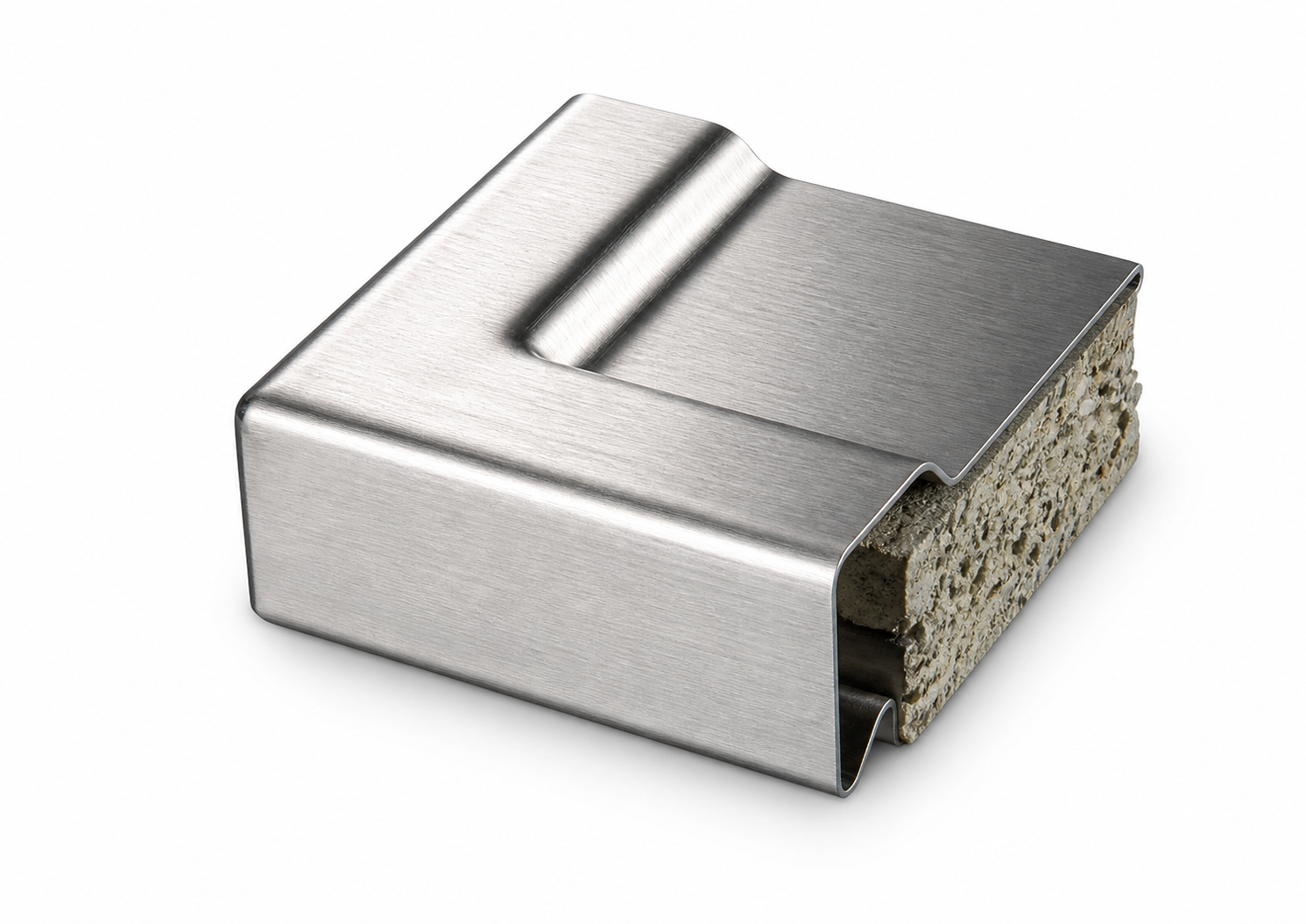
Stainless Steel
High mechanical strength
Strong resistance to heat and impact
Hygienic surface that is easy to disinfect
Suitable for industrial and sterile areas
Where does it excel?
Preferred in areas requiring high hygiene standards, mechanical strength and sterilization.
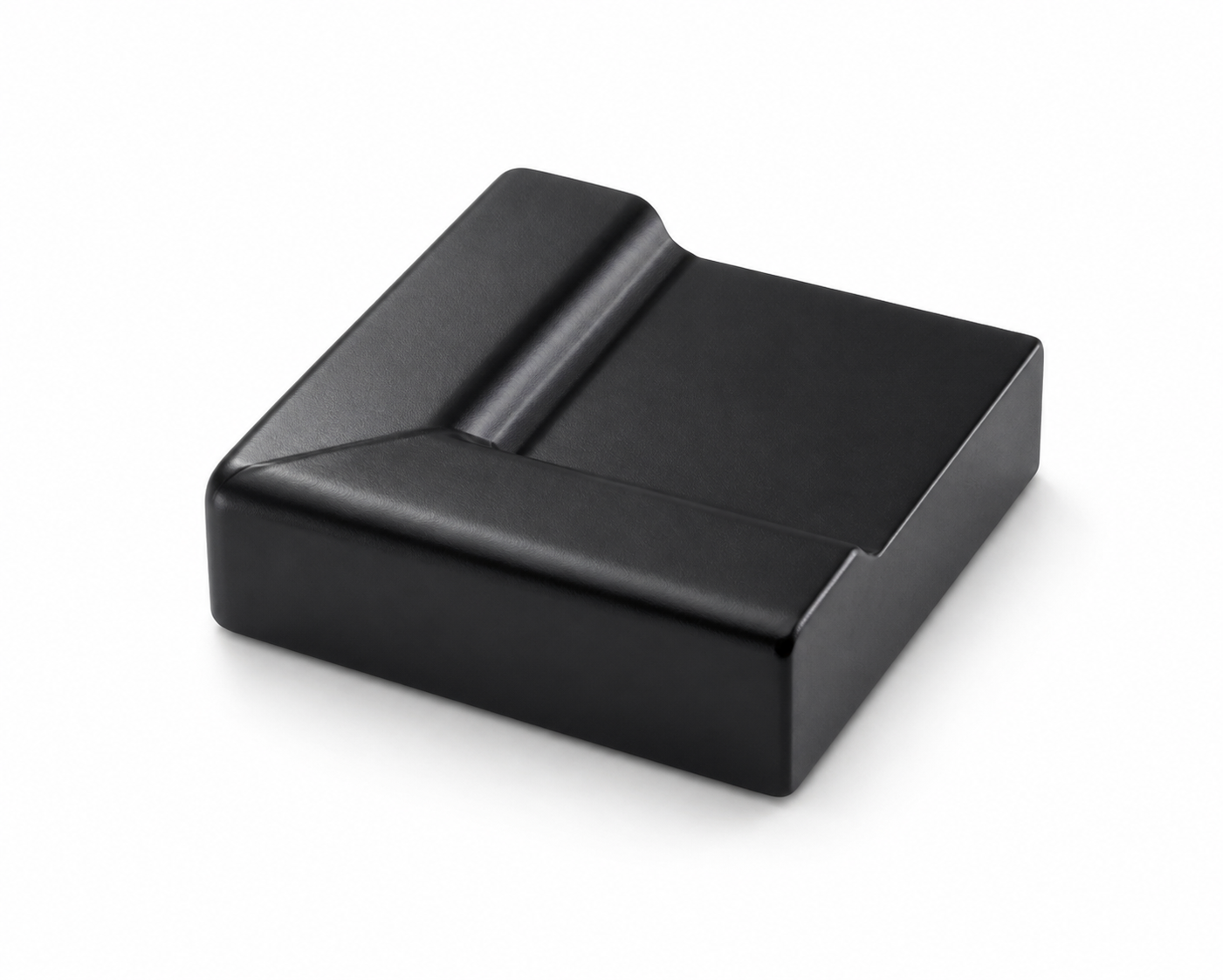
Epoxy
Resistant to intensive chemical exposure
Seamless, solid surface
Liquid-tight, hygienic work surface
High impact resistance
Where does it excel?
Ideal for areas with chemical splashes, intensive experimental workflows and a need for a safe work surface.
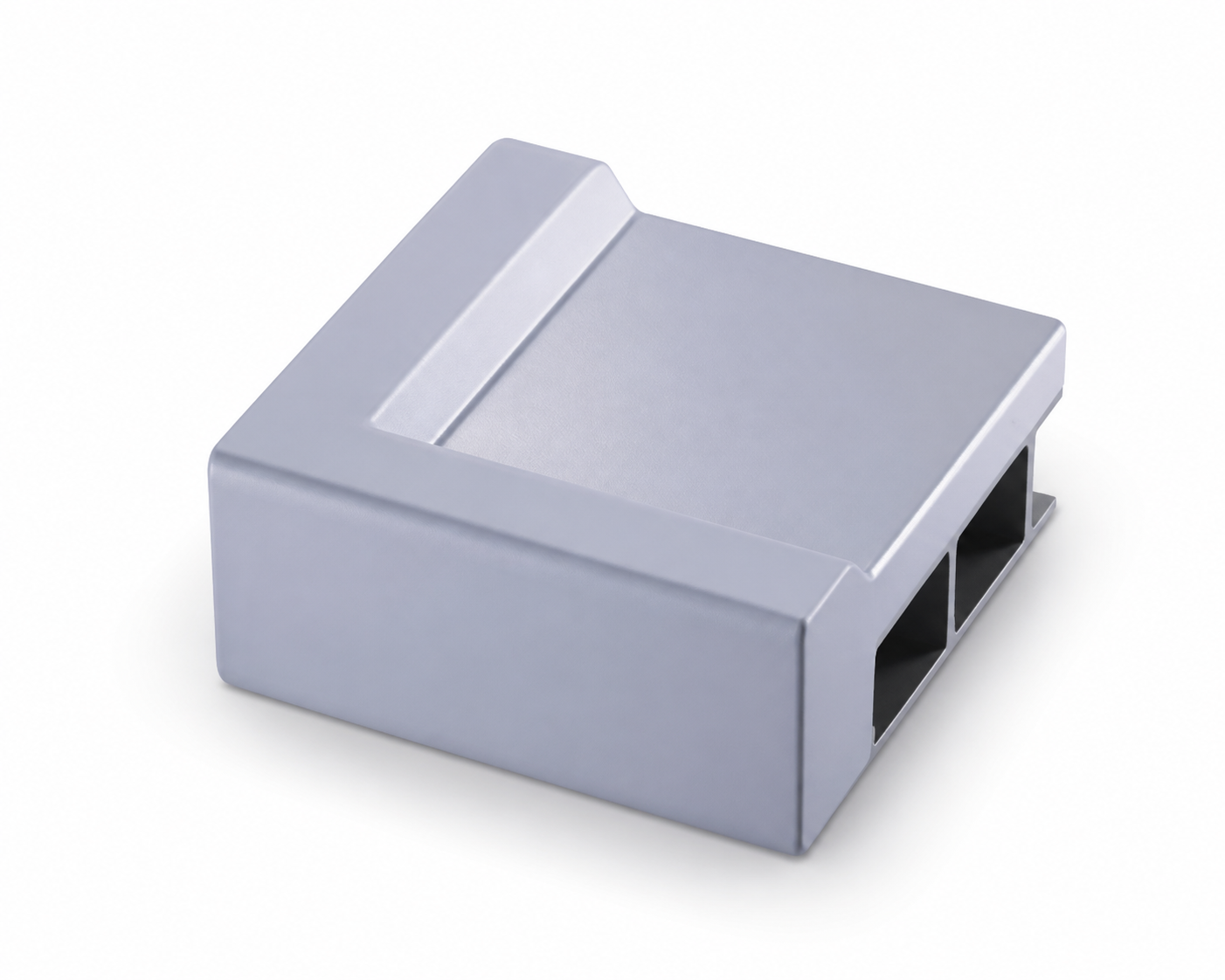
PP
High chemical resistance to acids and bases
Lightweight, weldable and flexible
Safe use in humid and aggressive environments
Compatible with plastic process equipment
Where does it excel?
Excels in areas with aggressive chemical exposure, acid-base processes and predominantly plastic equipment.
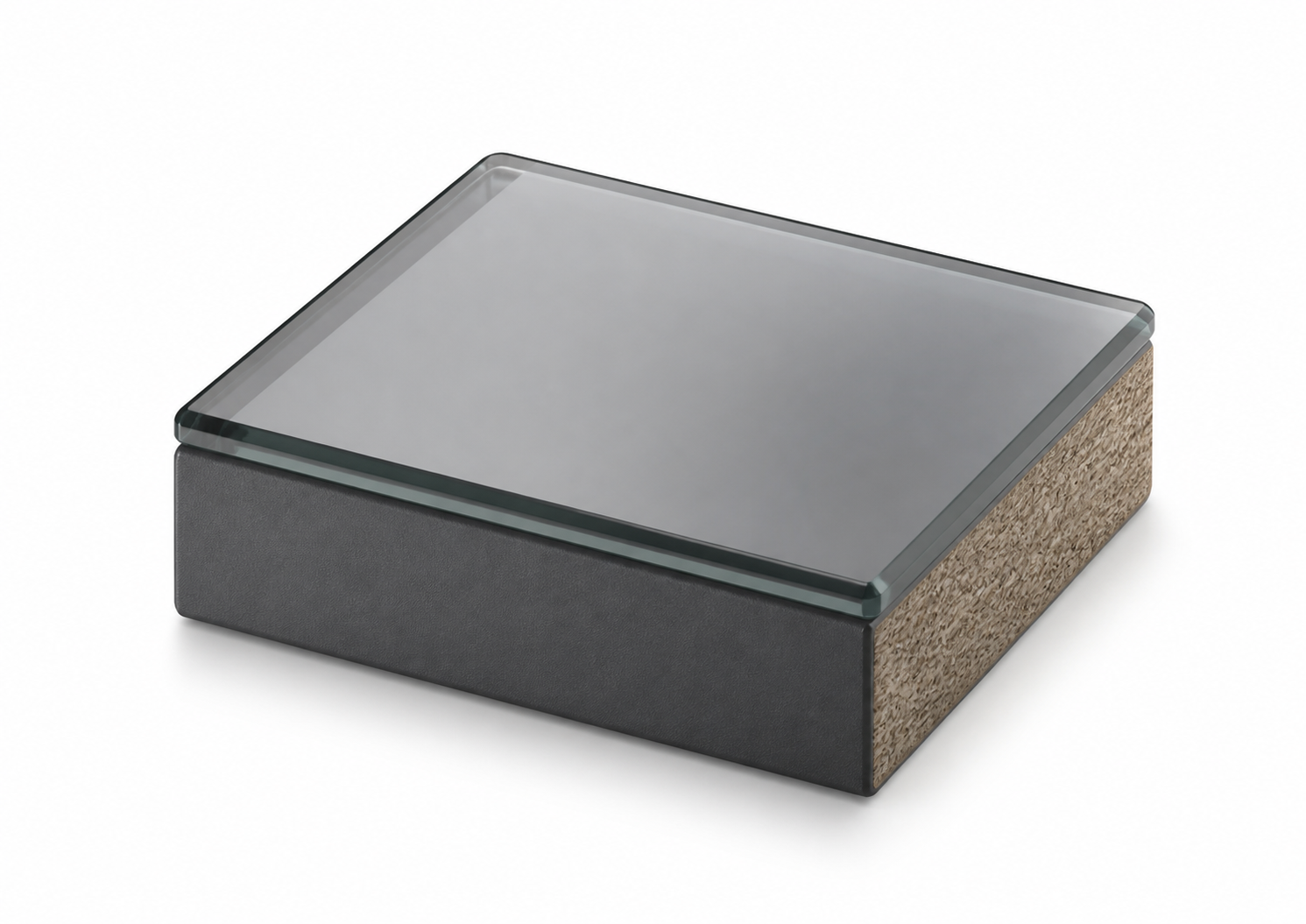
Glass
High chemical resistance
Smooth, non-porous surface
Easy to clean and supports hygiene standards
Resistant to light and UV exposure
Where does it excel?
Preferred in analytical laboratories where hygiene, light resistance and a clean appearance are priorities.
Acrylic
Non-porous, hygienic surface
Seamless surface joints
Attractive, modern and clean appearance
Repairable surface
Where does it excel?
Used in laboratories where visual quality, hygiene and a seamless appearance are important.
Benefits of the Right Choice
The right surface material improves workplace safety, reduces maintenance costs and enables more efficient laboratory use.
Chemical Resistance
Provides high resistance to corrosive chemicals.
Long Service Life
Durable surfaces provide safe use for years.
Mechanical Strength
Improves resistance to impact, scratches and wear.
Liquid Tightness and Hygiene
Non-porous surfaces simplify cleaning and hygiene.
Ease of Maintenance
Low maintenance requirements simplify operations.
Efficiency
A safe, comfortable workspace supports workflow.
Application Areas
Material selection should consider the laboratory’s discipline, exposure levels and maintenance requirements.
Chemistry Laboratories
Research Laboratories
Analytical Laboratories
Biology Laboratories
Teaching Laboratories
Choose the right surface for your laboratory.
Considering chemical exposure, hygiene requirements, mechanical strength and ease of maintenance together creates safer, longer-lasting workspaces.
Chemical resistanceHygienic surfaceMechanical strengthEasy maintenance